Understanding ADAS Calibration
A friendly guide to the safety technology in your car and why keeping it calibrated matters
What is ADAS?
ADAS stands for Advanced Driver Assistance Systems – technology that helps you drive safer every day.
Think of ADAS as your car's co-pilot, constantly watching the road and ready to help. These clever systems use cameras, radar, and sensors to detect potential dangers and assist you in avoiding accidents.
Many modern vehicles use one or more ADAS features. You might be driving with more safety technology than you realise.
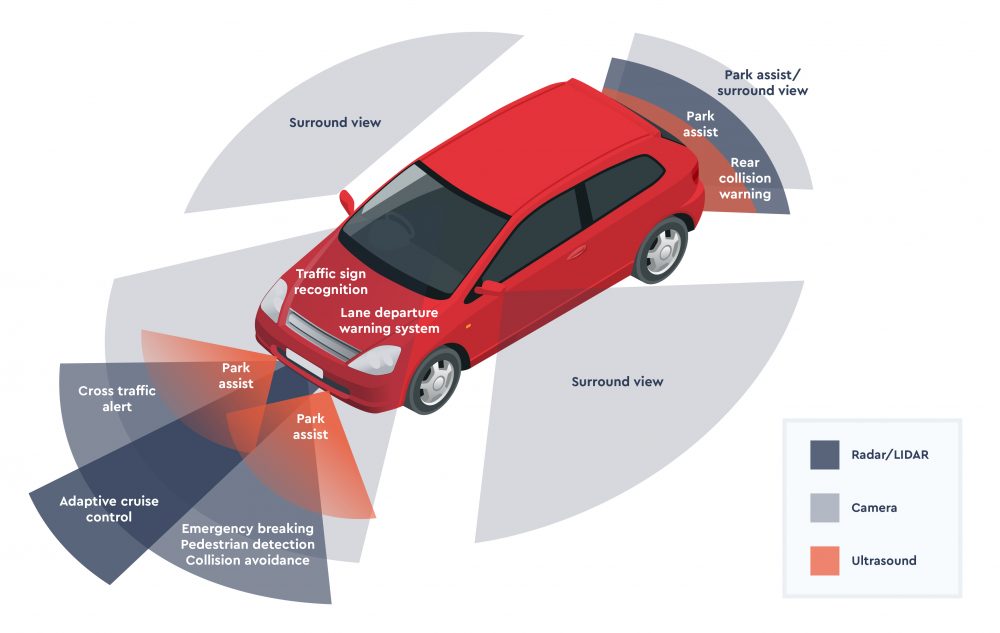
Complete overview of ADAS features and sensor locations around your vehicle
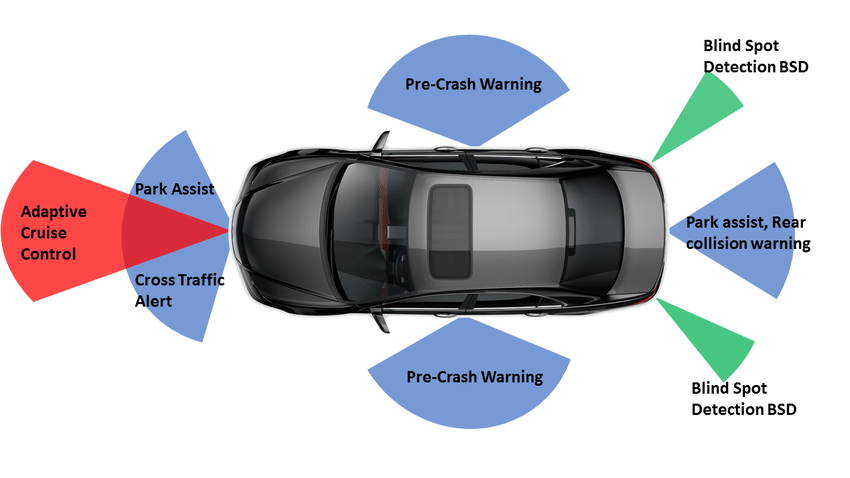
360-degree ADAS protection - cameras, radar, and ultrasonic sensors working together
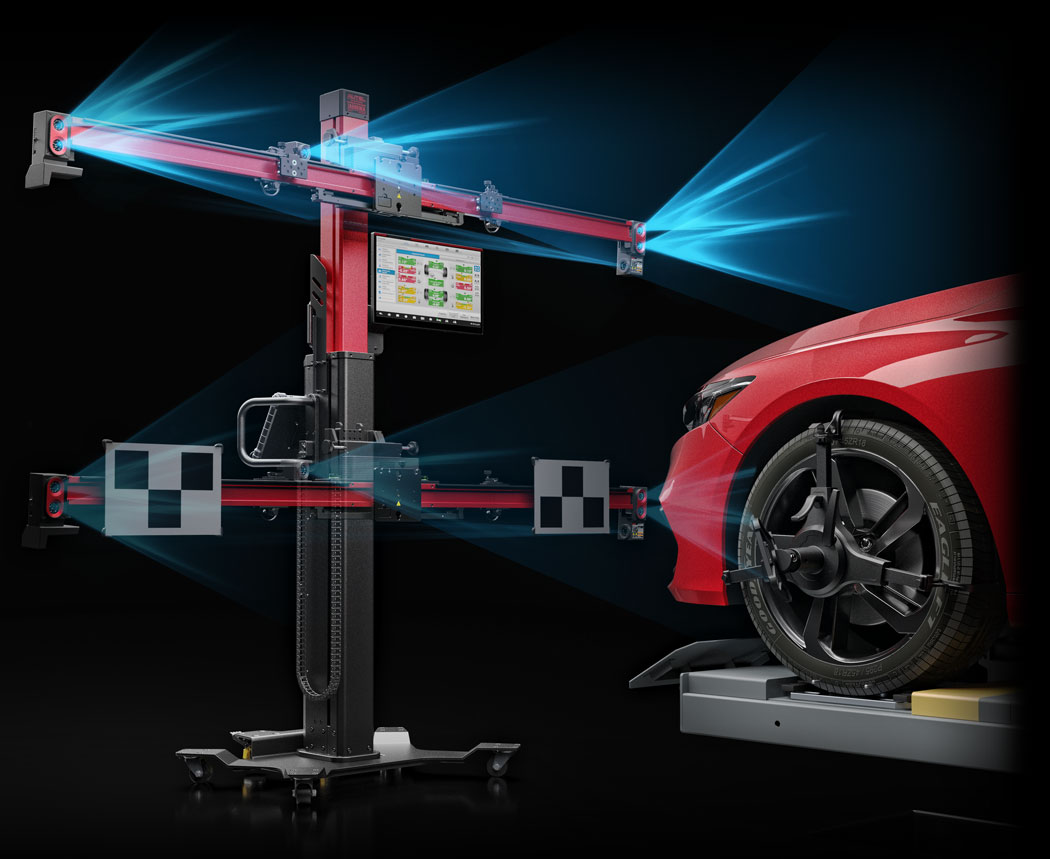
Professional ADAS calibration equipment used with vehicle-specific procedures
Common ADAS Features in Your Car
You might have these systems working away in the background without even knowing it
Lane Keeping Assist
Helps keep your car centered in the lane by gently steering if you drift
Automatic Emergency Braking
Detects potential collisions and applies brakes automatically to prevent accidents
Adaptive Cruise Control
Maintains a safe distance from the car ahead, adjusting your speed automatically
Blind Spot Monitoring
Alerts you when vehicles are in your blind spots during lane changes
Parking Sensors & Cameras
Helps you park safely with visual and audio warnings of obstacles
Traffic Sign Recognition
Reads and displays speed limits and road signs on your dashboard
Why Calibration Matters
These safety systems rely on cameras and sensors being positioned within the tolerances set by the vehicle manufacturer. Misalignment can affect how they work.
Why sensor position matters:
If a camera or radar is outside its specified position, the system's view or interpretation of the road may be affected. Calibration checks the sensor against the applicable vehicle procedure.
Manufacturer requirements: Vehicle manufacturers commonly require ADAS calibration after work such as windscreen replacement, collision repair, suspension work or wheel alignment, and an insurer or repair standard may require evidence that it was completed
Your safety: Most importantly, it's about keeping you and your family safe on the road
When Do You Need ADAS Calibration?
These common situations mean your ADAS systems need recalibrating
After windscreen replacement, where the manufacturer procedure requires it
Following collision repair, where the applicable procedure requires it
After suspension, geometry or wheel alignment work, where specified
Sensor removal or replacement, or relevant faults identified by diagnosis
ADAS features not behaving as described by the manufacturer
Our Calibration Process
We use professional calibration equipment and vehicle-specific procedures, then check or adjust the system as specified by the manufacturer procedure for your vehicle.
Quick and professional service with minimal disruption
Detailed calibration reports provided
Broad multi-make coverage; confirm the registration or VIN when booking
Professional ADAS calibration using precision laser equipment and calibration targets
Local accident-repair partnership
Zooch Automotive supports Bodymatters in Stafford with precision wheel alignment, ADAS calibration, coding and diagnostic services on suitable repair work.
Visit Bodymatters for accident and body repairsNeed an ADAS Calibration Check?
Ensure your safety systems are working properly. Book your ADAS calibration today.